
By November, most houseplants have quietly changed their terms and conditions. Growth slows or stops. A pot that dried out in three days in July now takes a fortnight. And the light coming through a British window in December is a fraction of what it was in June — which matters far more than the thermostat, because light is what drives a plant's demand for water.
Get that wrong and the result is a familiar, avoidable decline: a plant that looks fine in October, sulks through January and collapses in February with a soft, dark stem. Water is usually at the heart of it. These are the mistakes worth avoiding.
Watering to a timetable rather than checking the compost
The most common error is watering on a schedule — every Sunday, say — because that is what worked in summer. In winter the same plant may need a quarter of that amount, or none at all for a fortnight. "Water when the top inch is dry" is a decent starting point, but the surface of a large pot is not always honest. It can be bone dry while the bottom half is still sodden.
Use more than one test before you reach for the jug.
The finger test. Push a finger in up to the second knuckle. If you feel moisture at that depth, wait. This works well for pots up to about 15cm across.
The weight test. Lift the pot. A well-watered plant is noticeably heavy; a dry one feels light and sounds hollow if you tap the side. Once you have felt the difference on a particular pot, it becomes surprisingly reliable.
The skewer test. For bigger pots, push a thin cane or wooden skewer down towards the base and leave it for a minute. If it comes out cool and damp with compost clinging to it, hold off.
Overwatering, and the wilting trap
Overwatering kills more houseplants than neglect, and winter is when it does the damage. Roots need oxygen as well as water. That oxygen sits in the air pockets within the compost, and those pockets fill every time you water. In summer, warmth and good light mean a plant drinks quickly and the compost dries, letting air back in. In a dim, cool December, wet compost can sit undisturbed for weeks. Roots suffocate, then rot.
What root rot looks like
Watch for lower leaves turning yellow, leaves dropping while still green, a soft or blackened base to the stem, a green film on the surface of the compost, fungus gnats hovering over the pot, or a sour smell when you water. Tip a suspect plant out of its pot and the evidence is plain: healthy roots are firm and pale, rotting ones are brown, mushy and smell bad.
Here is the trap. A wilting plant is not automatically a thirsty plant. When roots rot, they can no longer take up water, so the leaves droop exactly as they would in a drought. Water it again and you accelerate the collapse. Always check the compost before responding to a droop.
Water thoroughly, then stop
Little and often is worse than generous and rare. A small daily splash keeps the top inch damp and never reaches the lower roots, which are the ones that matter. Instead, water slowly until it runs out of the drainage holes, let the pot drain properly, and then leave it alone until the compost has partly dried again.
Ignoring light — the quiet reason growth stops
UK winter days are short and frequently overcast. Light levels also fall away sharply with distance from glass, so a plant standing a metre back from a bright window receives a small fraction of what one on the sill gets. That difference decides how much water the plant uses.
Move plants closer to the window between November and February, and give them the brightest spot you can spare. Wash the glass, inside and out. Wipe dust off leaves with a damp cloth — a film of grime blocks light, and clean leaves work better. Rotate pots a quarter turn each week so growth stays even.
Two cautions. Cold windowsills behind closed curtains can chill tender roots on freezing nights, so lift plants onto a wooden block or move them in. And keep foliage clear of radiators, which scorch leaves and dry the air around them. Reduce or stop feeding: fertiliser pushes soft growth that low winter light cannot support, and unused salts build up in compost you are not flushing through.
Getting humidity wrong
Central heating drops indoor humidity, which stresses plants such as ferns, calatheas and ficus. Misting helps for about as long as it takes to evaporate, so treat it as a small pleasure rather than a solution. Better options: group plants together so they share a humid microclimate, stand pots on a tray of pebbles with water kept below the pebble line, and keep plants out of the direct path of radiators and draughts.
What you should not do is water more to compensate for dry air. Wet compost combined with dry air is the classic recipe for root rot and fungal trouble. And a few plants actively prefer drier air — succulents, cacti and anything with fuzzy leaves, such as African violets, which resent being misted at all.
Small habits that cause big problems
- Cold water straight from the tap. It shocks tropical roots. Fill a jug and let it stand until it reaches room temperature.
- Leaving pots in saucers of water. A plant stood in an inch of water for days is a plant with rotting roots. Empty the saucer about fifteen minutes after watering.
- Watering in the evening. The compost then sits cold and wet all night. Morning is better, so any surplus is used during the day.
- Treating every plant the same. A small pot of fern and a large pot of rubber plant have nothing in common when it comes to water. Check each one.
- Splashing water into the crown. Cyclamen, African violets and many succulents rot where water collects at the base of the leaves. Water the compost, not the plant.
A winter watering routine that works
- Check the compost with a finger, a lift or a skewer. Only water if it needs it.
- Use water at room temperature, ideally left to stand for an hour or two.
- Water slowly and thoroughly until it runs from the drainage holes.
- Empty the saucer or outer pot after about fifteen minutes.
- Return the plant to the brightest suitable spot it has, clear of radiators and draughts.
- Erase the weekly habit. Water when the plant asks, not when the calendar does.
Getting plants through to spring
Aim for alive and reasonably content rather than thriving. The odd yellow leaf in winter is normal, and a plant that barely moves between December and February is doing exactly what it should. When the days stretch in late February and March, and you see new growth unfurling, start watering a little more freely and resume feeding.
If a plant has already rotted at the base, act quickly: take cuttings from healthy stems, root them in water or fresh compost, and treat them as insurance. A few small pots on a bright sill in March are far better than a sad post-mortem over a collapsed pot in April.
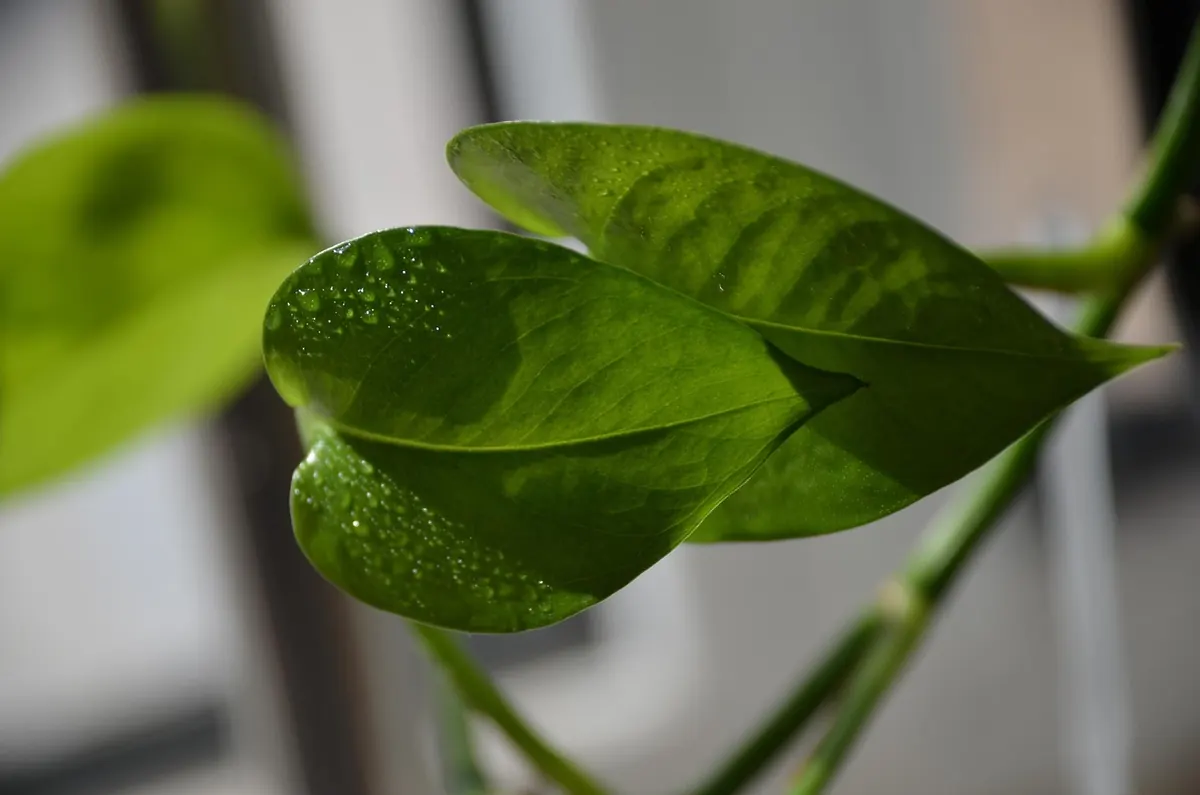
Photo: nonobaby / Pixabay
Related posts
More stories you’ll love reading